The AiroDental Blog
Practical guides for dental teams: front office operations, training, patient communication, and AI in dentistry.

The Count
No practice closes the day on a feeling; the day sheet is set against the deposit. A software trial deserves the same habit. This post shows how to keep two columns, the task done in the tool and the task done the old way, who keeps them, and what to do when the count and the mood disagree.
October 16, 2026 · 6 min read

The Caller Who Tried Twice
"We must have been on the other line" is a guess, and patients can hear it. Once the scheduling coordinator has looked at the call log, she can say what actually happened, ask what the call was about, and find everyone else who tried twice and never made it to the counter.
October 14, 2026 · 5 min read
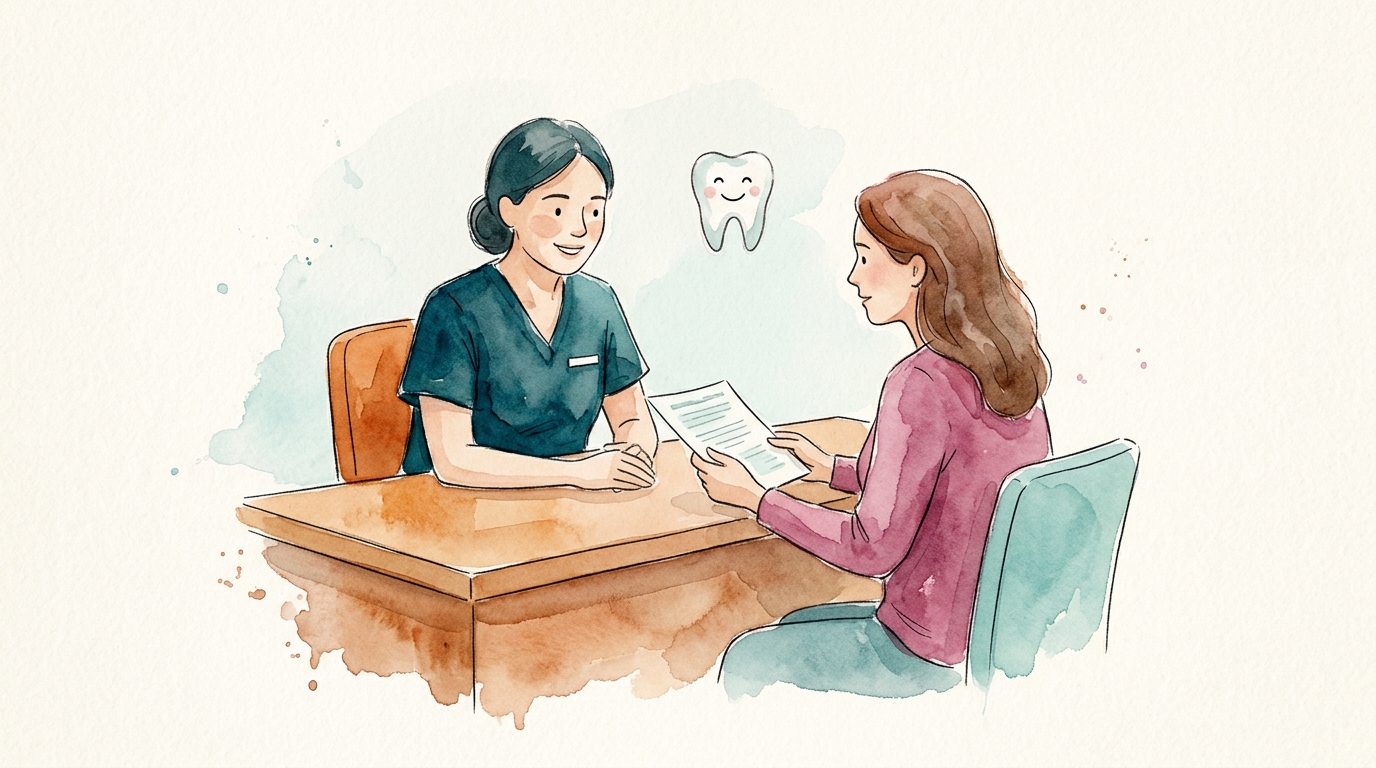
How to Explain a Dental Claim Denial to a Patient
A dental claim denial can be confusing and frustrating for patients. This article provides front office staff with clear, practical steps and scripts to explain denials effectively, maintain patient trust, and manage financial expectations.
October 12, 2026 · 9 min read

The Teenager Who Drove Himself
A seventeen-year-old with a license walks up to the counter by himself. May he be seen today, and who gets told what afterward? The first answer belongs to your state. The second is a federal rule most front desks guess wrong. Both belong on one page the doctor writes before he arrives.
October 12, 2026 · 7 min read

The Thing You Are Still Doing By Hand
Open the top drawer at your front desk. There is a notebook in it that was supposed to be gone when you bought the software. A by-hand process survives for one of three reasons: it is a backup, nobody was entitled to end it, or the software does not do the job. Each one calls for a different response, and none of them is throwing the notebook away.
October 9, 2026 · 6 min read

Reading Your Own Call Log
"I called earlier and nobody picked up." The front desk apologizes and guesses. The phone system knows: it wrote a row for that call the moment it came in. This post walks through a call log column by column, shows why the word "missed" means something different in each phone system, and says what a row will never tell you.
October 7, 2026 · 6 min read

How to Schedule a Patient Who Needs a Periodontal Maintenance Appointment
Scheduling periodontal maintenance appointments requires a specific approach that differs from routine hygiene. This guide provides actionable steps for front office staff to manage these appointments efficiently, from verification to communication.
October 5, 2026 · 8 min read

The Call That Went Badly
A bad phone call is the one failure in a practice that the patient reports to somebody else's front desk. If you do hear about it, the usual fix is a conversation in the hallway, which reaches one person and nobody else. This post is about taking the call to the written page: whether the page was right, silent or wrong, and what it should say afterward.
October 5, 2026 · 7 min read
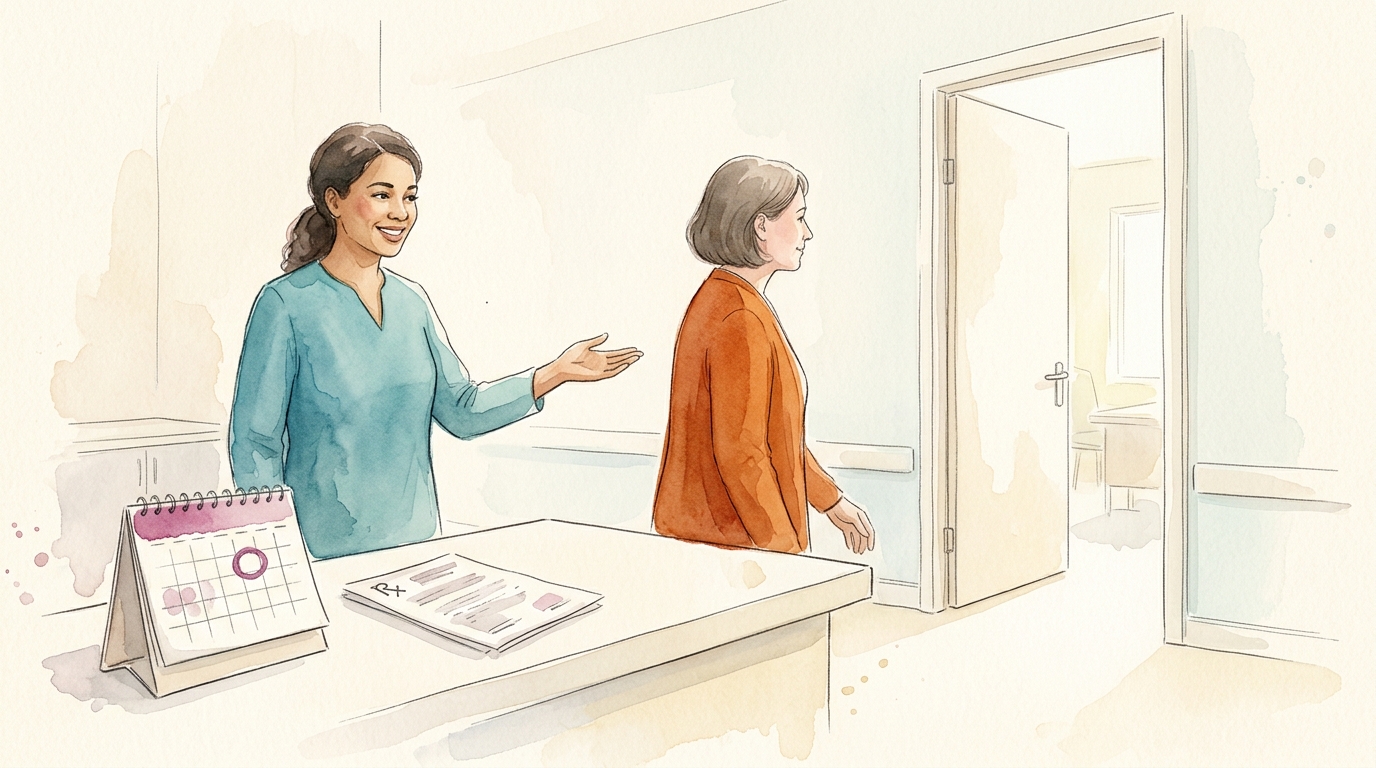
How to Schedule a Patient Who Needs a Referral to a Specialist
Referring a patient to a dental specialist requires a clear process to ensure they receive timely care and understand their financial responsibilities. This guide provides actionable steps for front office staff to manage specialist referrals efficiently.
September 28, 2026 · 9 min read

How to Schedule a Patient Who Needs a Pre-Authorization Before Treatment
Scheduling patients who require a pre-authorization for dental treatment can be complex, involving multiple steps from insurance verification to patient communication. This article provides a clear, actionable framework for your front office to manage these cases efficiently.
September 25, 2026 · 10 min read

What a Trial Is Actually For
The email says your trial ends tomorrow. In a lot of practices nobody can say whether anyone used it, because nobody decided at the start that this was the thing to find out. A trial is not for confirming you like a product. It is for finding out whether your team will use it before the money is spent.
September 25, 2026 · 7 min read
The Third Message
Your after-hours recording was written for your patients. The person listening to it at night with a broken tooth may not be one. The ADA has been specific about what that person should hear, and the Code of Ethics has a sentence about what happens afterward that nobody quotes.
September 23, 2026 · 6 min read